
Open-Top vs. Enclosed Double-Decker Buses: Which Is Better for City Sightseeing?

A sunny Saturday on the top deck of an open-top bus is one of the great small thrills of city travel: wind in your hair, cornices and chimneys passing at eye level, the smell of a bakery arriving a full second before you see it. Then there is the other version — a grey Tuesday, rain streaking the glass of an enclosed bus while you squint through a fogged window at a building you were told not to miss. Both buses follow the same route. They feel nothing alike. Here is how to pick the right one before you buy a ticket.
What Actually Changes When the Roof Comes Off
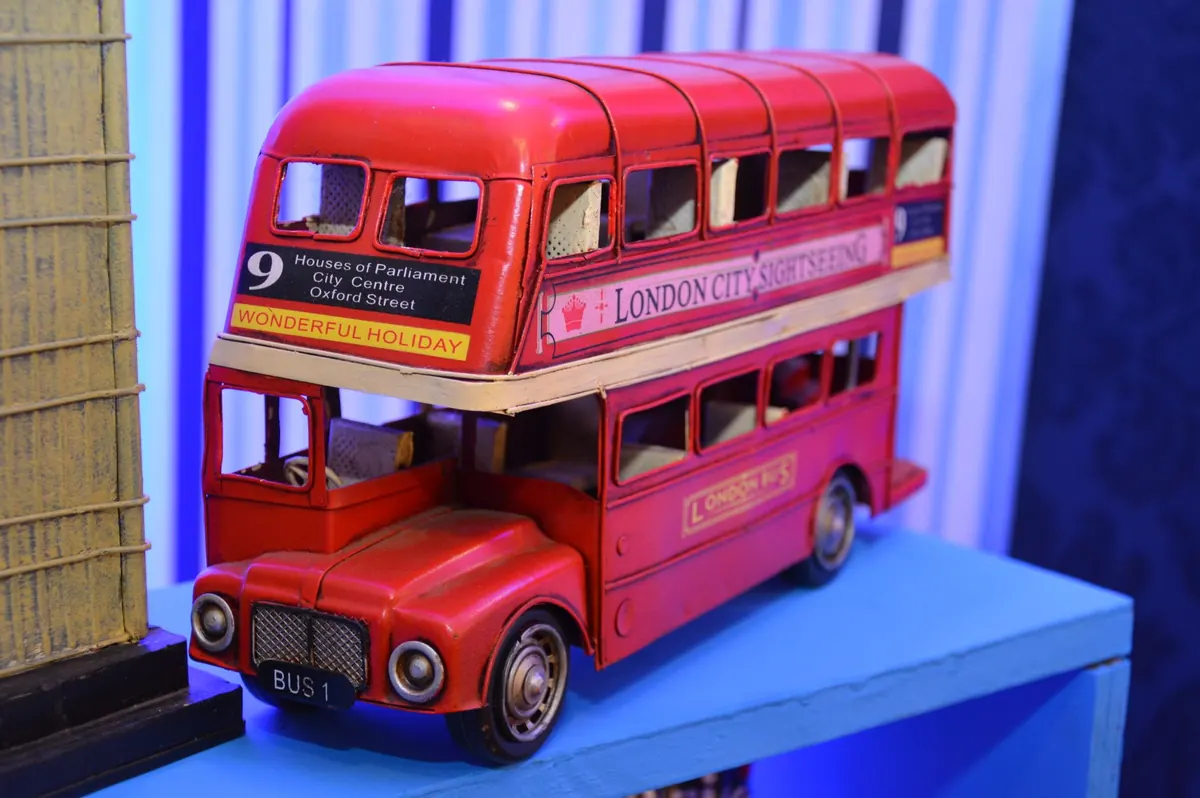
Most sightseeing double-deckers keep the lower deck enclosed. The real difference is upstairs. A true open-top bus leaves the upper deck exposed to the sky, sometimes with a small covered section at the very front. A partially open-top bus puts a roof over part of the top deck and leaves the rest to the weather. An enclosed bus seals the upper deck behind glass, often with big panoramic windows or a glazed roof panel.
That one design decision changes four things you will notice within five minutes of boarding: what you can see, whether you get wet, how your photos turn out, and how tired you feel at the end. Everything below comes back to those four.
Views: Open Air Wins, With a Caveat
Visibility is where open-top buses earn their reputation. Height gets you above the crowd, and no glass means nothing between your eyes and the city. You see upward as well as outward — spires, balconies, roof gardens, carved stonework above the shopfronts. All of that vanishes behind a window frame on an enclosed bus. You also hear the place: buskers, market calls, church bells, the particular clatter of a tram crossing points.
The caveat is wind. Once the bus is moving steadily, conversation on an open deck means shouting. Hats leave heads, napkins leave laps, and chilly days feel considerably colder up top than they do on the pavement. An enclosed bus lets you read a map, follow the audio commentary, and point something out to your companion without losing your voice to the slipstream.
Weather Protection: Where Enclosed Buses Earn Their Ticket
Rain is the obvious enemy, but it is not the only one. Wind-driven drizzle, sleet, summer heat bouncing off tarmac, and the dust kicked up by traffic all push you back toward glass. Open-top buses are wonderful in mild, dry, low-wind conditions and miserable in almost everything else. If you are travelling outside late spring and early autumn, enclosed is the safer default.
Two practical points. First, many operators run open-top and enclosed buses on the same route on the same day, so the type you get may not be the one in the brochure photo. Second, on a hot day the sun on an open top deck is genuinely strong — bring water, a hat, and sunscreen, and if you are travelling with anyone whose health is affected by heat or sun, keep the shaded side of the bus in mind and follow sensible medical advice. The shaded side changes depending on direction and time of day, so it is worth asking the driver which way you are heading.
A Note on the Covered Front Section
Plenty of "open-top" buses have a roofed area at the front of the upper deck. This is the quiet compromise most travelers overlook. You keep the elevated sightlines and the glass-free view, but you also keep your hair, your camera, and your patience when the weather turns. If you are booking hop-on hop-off and want one seat that works in any forecast, aim for those front rows.
Photography: Glass Is the Enemy
For anyone with a camera, open-top wins outright. Glass brings reflections, fingerprints, tinted film, and the slight double-image you get from double glazing. On a sunny day, an enclosed window can act like a mirror, and the reflection of your own sleeve is a stubborn thing to shoot around. Open air removes all of it in one go.
That does not make open-top effortless. The bus moves, the light changes fast, and the wind shakes a handheld shot. A few things help:
- Sit on the side facing the sights. Study the route map or ask before you climb the stairs — the best view is often only on one side for long stretches.
- Shoot towards the front of the bus for the leading lines of the street rather than straight out the side.
- Brace against a rail or seat back and use a fast shutter speed or burst mode for detail shots.
- On an enclosed bus, hold the lens close to the glass to kill most reflections, and wipe the window first.
- Try late afternoon. Low sun lights façades instead of flattening them, and the top deck is far less crowded.
Comfort, Stairs, and the Long Route
Comfort is less about the seat than about stamina. The stairs to the upper deck are steep, narrow, and awkward with a bag — worth a moment's thought if you are travelling with small children, older relatives, or anyone with limited mobility. Questionable knees are a real reason to stay downstairs, and on most operators you are fine doing so.
On a two-hour loop, the open top deck is exhilarating for the first forty minutes and draining by the end. Sun, wind, and noise add up. Enclosed buses are quieter, more stable, and easier to doze in. If your route is long, consider riding up top for the first half and moving downstairs for the return leg.
Matching the Bus to Your Day
- Clear forecast, one short loop, first visit: open-top, without hesitation.
- Rain or a winter trip: enclosed, and stop worrying about it.
- Photography is the point: open-top, mid-morning or late afternoon.
- Small children or older family members: enclosed, or the covered front rows upstairs.
- Night tour or city lights: enclosed. Wind chill and dark glass are a bad combination.
- Undecided: buy a hop-on hop-off ticket, which lets you change decks mid-route instead of committing.
Before You Buy: Five Quick Checks
Five minutes of preparation saves an afternoon of regret.
- Read the hour-by-hour forecast, not just the daily icon. A dry morning and a wet afternoon call for different seats.
- Check the actual bus layout on the operator's own website or photos from recent riders — "open-top" covers a wide range of roofs.
- Board at the start of the route. You get the pick of seats, and you can move before the bus fills up.
- Dress for the top deck, which is always one layer colder and one notch windier than street level.
- Confirm which bus type runs when. Open-top service is often reduced after dark or in bad weather.
If you can only choose one, let the forecast decide and let everything else follow. Sun on the day you ride makes an open top deck unforgettable; rain makes it a long, cold slog with a good story at the end. And if the weather turns while you are already aboard, there is no shame in heading downstairs — the city is still out there, just a layer of glass away.
Photo: hudsoncrafted / Pixabay