

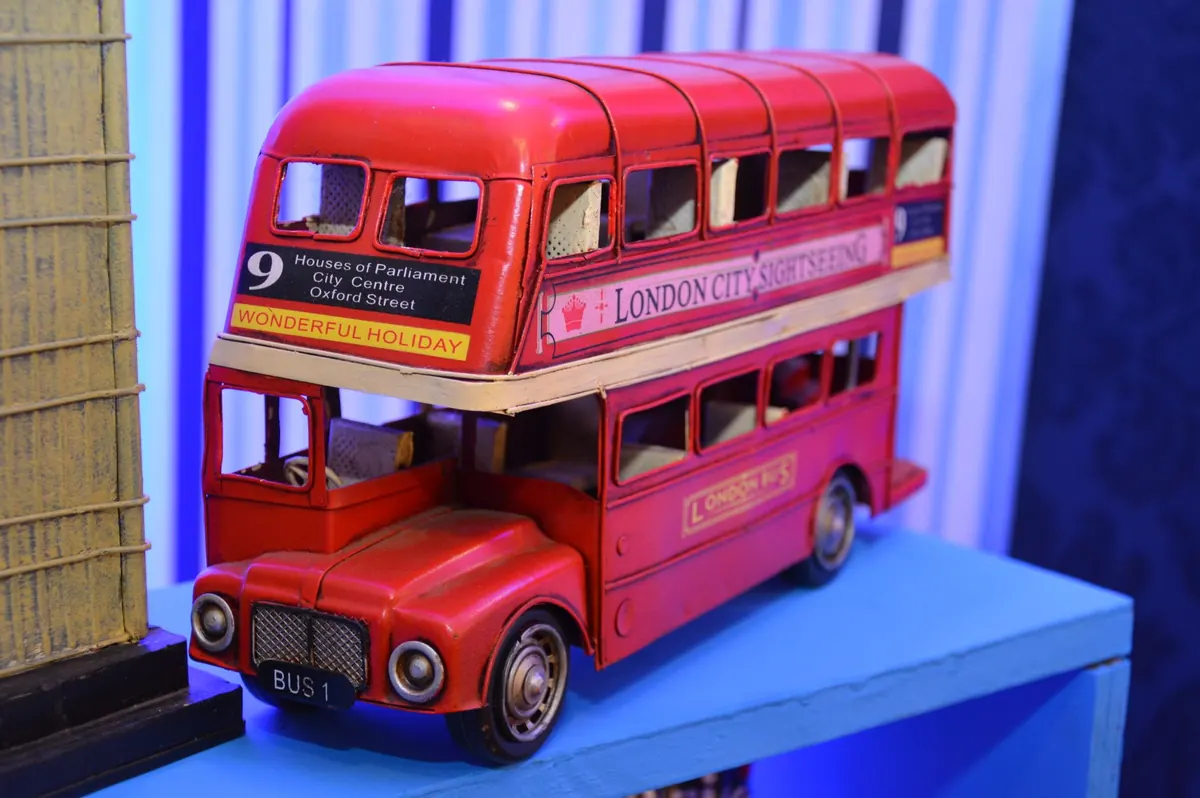

7 Common Mistakes Miniature Double-Decker Bus Collectors Make
Miniature double-deckers are forgiving. They sit on a shelf, they don't need walking, and they survive years of mild neglect without complaint. That is precisely why so many collections lose condition and value without anyone noticing. Damage to a die-cast bus rarely happens in one dramatic moment; it arrives as a faded roof, a cloudy window, a missing wing mirror, a box thrown out during a house move.
The mistakes below are small, cheap to avoid and expensive to undo. None of them require a museum-grade setup — just knowing what you're dealing with.
1. Storing models where light, heat and damp can reach them
A model bus is a small assembly of materials that all age differently. Paint and printed lettering fade under UV. Plastic glazing yellows, and roofs can warp near a radiator or in a hot loft. Rubber tyres harden, crack and flatten. Older die-cast castings kept in damp conditions can develop zinc pest, the swelling corrosion that no amount of cleaning will reverse.
Windowsills, shelves above radiators, garages and unheated sheds are the usual culprits, along with sealed tubs in cold outbuildings where condensation forms inside. Move the collection to an interior room with a steady temperature, keep it out of direct sun, and if you use a cabinet, add a rechargeable silica gel sachet and refresh it a few times a year.
2. Cleaning with whatever is under the kitchen sink
Household polish, ammonia-based window cleaner, alcohol, acetone and abrasive cloths will strip printed lettering, cloud glazing and dull metallic finishes. So will soaking a model: moisture creeps into axles, springs and rivets, and the glue holding the glazing softens.
A safer routine:
- Dust dry first, with a soft makeup brush or camera blower. Do this before anything wet touches the model.
- For fingerprints, use a cotton bud barely dampened with lukewarm water and a trace of mild washing-up liquid.
- Work around decals rather than over them; they lift easily when rubbed.
- Dry immediately with a microfibre cloth, then leave the model in open air for an hour before it goes back in a cabinet.
- Use a wooden toothpick, never metal, for crannies around stairs, bumpers and roof detail.
Test any method on a hidden part of the base first. Skip cotton wool on textured paint — the fibres snag and shed.
3. Handling models like toys
The instinct is to lift a bus by the roof, which is exactly where the fragile parts live: staircases, destination boards, wipers, mirrors, roof beacons and open-platform railings. Lift from the base with a finger under each end, and set the model down rather than dropping it the last centimetre.
Skin oils mark matte finishes and, over years, can etch into paint. Cotton gloves help with pale or gloss-black liveries and with anything you plan to sell. When photographing a bus, keep a hand underneath it the whole time; plenty of models are damaged during their own photo session.
4. Throwing away boxes, inserts and paperwork
The box is part of the model. Original packaging, the correct inner insert, limited-edition certificates and leaflets all affect what a buyer will pay, and a model without them is harder to move at any price.
Store boxes flat in a dry place, and resist the urge to improve them:
- No sticky tape, no marker pen, no price stickers on printed panels.
- No rubber bands — they perish and stain over time.
- Keep each insert with its own model, not in a general pile.
- Don't store models loose in one large box where they knock against each other.
5. Buying on impulse without a condition check
Auction listings and swap-meet tables reward fast decisions, which is how collections fill up with repaints, restored models and buses missing parts that weren't obvious in the photograph. Run the same checks every time:
- Baseplate: maker, scale, fleet number and copyright dates should match what you think you're buying.
- Paint: look under the base, inside wheel arches and around window surrounds for overspray, brush marks and colour that doesn't match the body.
- Parts: mirrors, wipers, destination blinds, bells and roof boxes are the items most often missing.
- Tyres and wheels: correct type and colour, no cracks, flat spots or mismatches.
- Glazing: cracks, fogging, or a haze of old glue around the edges.
- Screws: chewed heads suggest the model has been opened and possibly repaired.
Ask for photos of the underside and any flaws before you commit, and set your limit before bidding rather than during it. Heavy die-cast costs real money to post, and imported parcels may attract customs charges.
6. Keeping no record of what you own
Once a collection passes a few dozen models, memory stops working. Duplicates appear, insurance claims become guesswork, and nobody else can tell an early limited edition from a later reissue.
Write down the maker, model, fleet number or livery, scale, condition, what you paid, where and when you bought it, and whether the box is present. Photograph the model and its box together, and note limited-edition numbers. It takes two minutes per purchase and saves hours later. If the collection becomes valuable, speak to an insurer or broker about specialist cover instead of assuming a household policy will handle it.
7. Trading and shipping without clear terms
Most disputes between collectors come from assumptions, not dishonesty. Agree the terms in writing before anything moves: who pays postage, what happens if a model arrives damaged, and who covers a return. Be cautious about sending first to someone you haven't dealt with before.
When you pack a bus:
- Photograph the model, base and box before packing.
- Wrap the model in acid-free tissue first, then bubble wrap; some plastics can mark paint if left in direct contact for months.
- Use the original insert where possible, otherwise cut card or foam so nothing can shift.
- Box within a box, with a couple of centimetres of cushioning on every side.
- Use a tracked, signed service for anything you'd hate to lose.
A ten-minute routine worth keeping
None of this demands a climate-controlled room. Dust the shelves once a month with a soft brush.
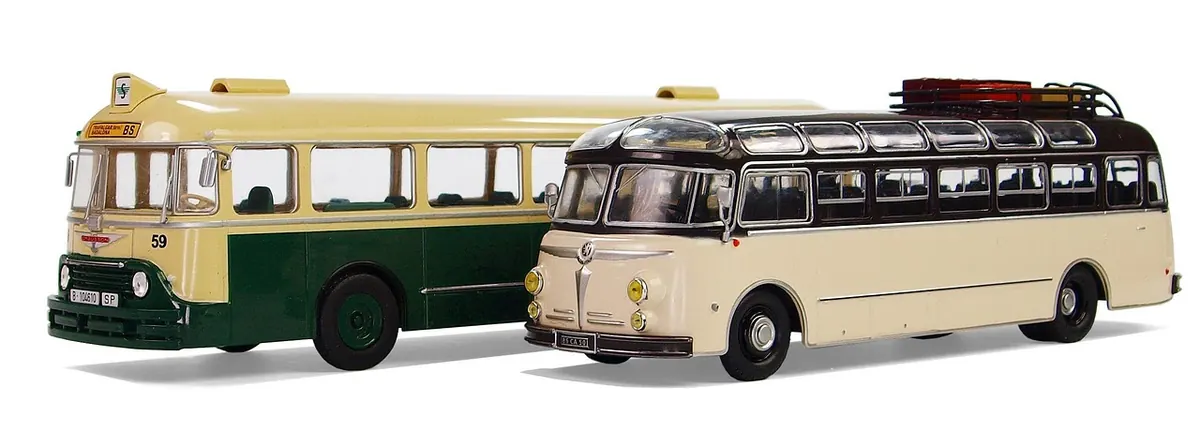
Photo: Emslichter / Pixabay